
Here you’ll find our guide to Who Unpaid Carers are. They’re most often referred to as Carers, Family Carers, or Unpaid Carers.
If you’ve found this page, you probably think you or someone you know is an unpaid carer. Below you’ll find our guide to who unpaid carers are and what they do. Take a look around the site and find out more about identifying yourself as an unpaid carer and the support you can get.
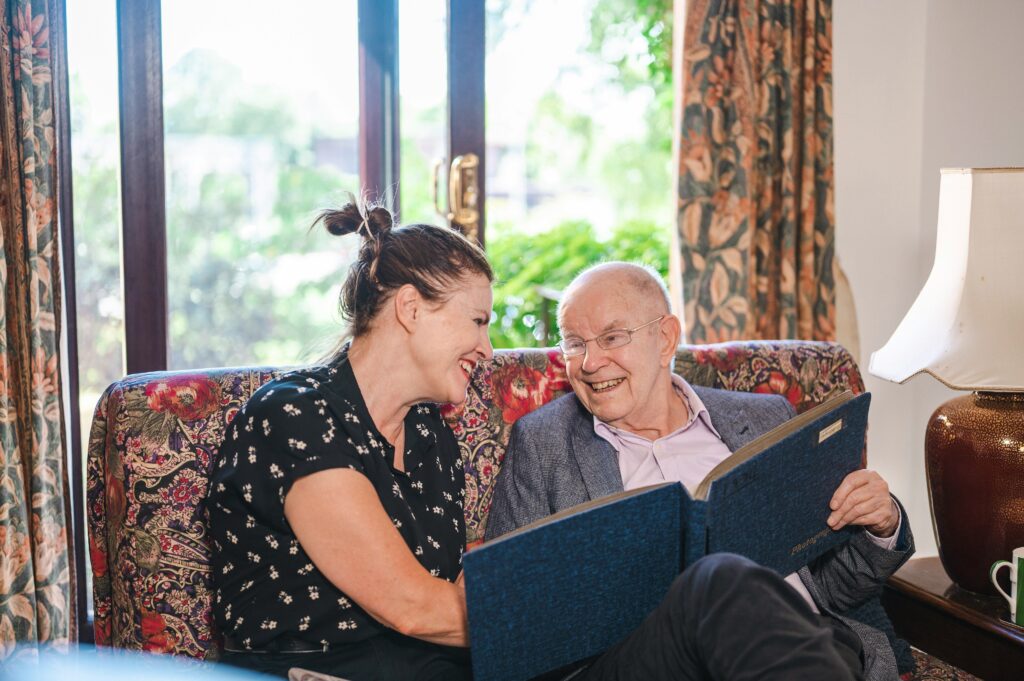
Who are Unpaid Carers?
Carers are defined in many ways by the Care Act (2014) as an adult who provides or intends to provide care for another adult. The NHS expands this further saying a carer is anyone, including children and adults who looks after a family member, partner or friend who needs help because of their illness, frailty, disability, a mental health problem or an addiction and cannot cope without their support. The care they give is unpaid.
We like to keep it simple and say that:
An unpaid carer is someone who helps look after a family member, friend, or other person who couldn’t manage without their support.
This might be because the person they care for has:
- A long-term illness or health condition
- A disability or additional needs
- Mental health difficulties
- Problems with drugs or alcohol
- Frailty related to age
If you provide this kind of help and you are not paid to do it, you are likely an unpaid carer — even if you’ve never used that word to describe yourself.
Many carers don’t set out to “become” a carer. It often starts gradually: helping out more, checking in more often, taking on responsibilities because someone needs you.
What kind of things do unpaid carers do?
Caring looks different for everyone. It might include:
- Helping with personal care, such as washing, dressing, or using the toilet
- Supporting someone to take medication or attend appointments
- Managing household tasks like shopping, cooking, cleaning, or laundry
- Handling paperwork, benefits, bills, or phone calls
- Providing emotional support, reassurance, or company
- Keeping an eye on someone’s safety or wellbeing
- Stepping in during crises or difficult periods
You don’t have to be doing all of these things to be a carer. Even one of them, done regularly because someone depends on you, can count.
Different kinds of unpaid carers
Adult carers
Adults who care for another adult — for example a partner, parent, sibling, friend, or neighbour.
Parent carers
Parents or guardians who care for a child with additional needs, disabilities, or long-term health conditions. This often goes beyond what would usually be expected of parenting alone.
Young carers
Children and young people under 18 who help care for someone in their family. This might include practical tasks, emotional support, or looking after siblings.
Each group faces different challenges, but all are carers.
Why many people don’t recognise themselves as carers
It’s very common for people not to identify as a carer. This can be because:
- “I’m just doing what anyone would do”
- “It’s my mum / partner / child — it’s not caring”
- “I don’t live with them”
- “I don’t do personal care”
- “I don’t want to make a fuss”
These are understandable feelings — but they don’t mean you aren’t a carer.
Some common myths
- You don’t have to live with the person to be a carer
- You don’t have to provide personal care
- You don’t have to spend a certain number of hours caring
- You don’t have to feel overwhelmed to count as a carer
What matters is that someone relies on you because they couldn’t cope without your support.
If any part of this page feels familiar, you are not alone. Many people are carers without realising it — and recognising yourself as a carer can be the first step towards understanding what support may be available to you.