
If you’ve finally managed to request a Carer’s Assessment, the next worry is often:
“Who’s actually going to do it?”
A council social worker? A carers charity? Someone on the phone who doesn’t get caring at all?
This post explains who should do my Carers Assessment, what “qualified assessor” really means, what you can reasonably expect, and what to do if it goes wrong.
The key point: the local authority still holds the legal duty
In England, the local authority has a legal duty to carry out a carer’s assessment when it appears you may have needs for support — regardless of how “big” they think your needs are. (Legislation.gov.uk)
In Wales, carers’ assessments sit under the Social Services and Well-being (Wales) Act 2014, and the local authority has duties around assessing carers’ needs. (Legislation.gov.uk)
So who actually does the assessment?
In many areas, the council:
- does assessments directly (adult social care staff), or
- commissions another organisation to deliver assessments (often a local carers organisation), but it still remains the council’s responsibility overall. (Carers UK)
That’s why it’s completely normal if your appointment is with:
- a council social worker / social care assessor
- a carer support worker employed by (or contracted to) the council
- a local carers centre / carers organisation asked to carry out assessments (Carers UK)
What does “qualified assessor” mean in real life?
Carers often hear “it will be done by a qualified assessor” and think it must mean a specific professional title.
In practice, it usually means:
- they’re trained to do Care Act / Welsh social care assessments,
- they understand confidentiality and consent,
- they can assess needs properly and record them clearly,
- and they know what the council’s responsibilities and processes are.
Carers UK also notes that the assessor should be trained, and where needs are complex, specialist knowledge may be needed. (Carers UK)
You can reasonably ask:
- “What is the assessor’s role?”
- “Are they trained to carry out Carer’s Assessments?”
- “Do they have experience with my situation (for example dementia / autism / mental health / addiction / learning disability)?”
What you can reasonably expect from a good Carer’s Assessment
A Carer’s Assessment should feel like:
- someone takes you seriously,
- you’re treated with respect,
- your reality is understood (including the emotional load),
- and you’re supported to explain what’s happening.
It’s also meant to be about you, not a test of whether you’re a “good carer”.
The NHS describes it as separate from the cared-for person’s assessment (though you can ask for them both at the same time). (nhs.uk)
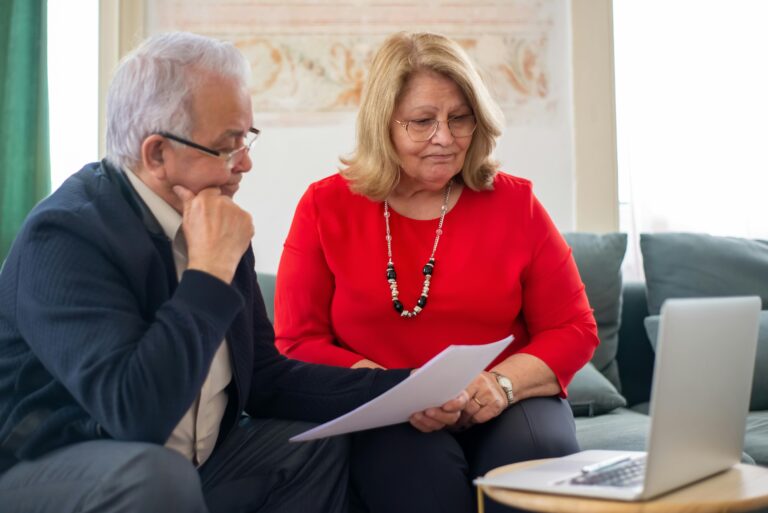
Remote vs face-to-face, and reasonable adjustments
Phone / online / in-person
Many carers’ assessments happen:
- face-to-face, or
- by phone, or
- online with follow-up. (Carers UK)
You can ask for what works best for you — especially if you’re exhausted, juggling work, or can’t leave the person you care for safely.
Interpreters, access and communication needs
You can ask for:
- an interpreter (spoken language)
- BSL support
- more time / breaks during the conversation
- questions in advance
- the option to answer some parts in writing
- a quieter setting / not in front of the person you care for (if that would change what you can say)
A simple phrase that helps:
“I need this assessment in a way I can actually take part properly. What adjustments can you offer?”
What to expect during a carers assessment
Even if the assessor is brilliant, the topics can feel personal and intense.
You’ll usually be asked about:
- what you do (practical tasks, supervision, emotional support)
- how often (including nights, unpredictability, emergencies)
- what it’s doing to you (sleep, stress, mental health, physical health, work, money)
- what would help you continue safely
If you want a fuller walkthrough, see: What to expect during a Carer’s Assessment or sign up to get your free checklist to help you prepare for your Carer’s Assessment.
How long does a carers assessment take?
There isn’t one answer. It varies by area and urgency.
Most carers experience two different “timeframes”:
- Waiting time to get booked in (days to weeks, sometimes longer)
- Length of the appointment (often around an hour, but longer if complex)
The most useful question is:
“What’s the current timescale in this area for booking a Carer’s Assessment, and how do you prioritise urgent cases?”
If you feel unsafe, unheard, or there’s a conflict of interest
Sometimes the issue isn’t the process — it’s the person doing it.
You can ask for a different assessor if:
- you feel judged or dismissed
- you’re not being listened to
- you’re worried about confidentiality
- there’s a conflict of interest (for example, they work closely with someone involved in a dispute)
- the dynamic makes it hard for you to speak honestly
What to say
“I’m not comfortable continuing this assessment with the current assessor. I’d like it reassigned and I’d like confirmation of the next steps in writing.”
If you don’t want to start again from scratch:
“Can we arrange a second conversation with a different assessor to make sure my situation is properly understood and recorded?”
Bring someone with you
You can ask to have:
- a friend or family member
- an advocate
- a support worker from a carers organisation
Their job is to help you remember things, stay steady, and make sure key points are not missed.
Mini-checklist: signs your assessor “gets it” vs red flags
Signs your assessor gets it
- They ask about your wellbeing, not just tasks
- They understand that “being on alert” is work (supervision, worry, sleep disruption)
- They explore what happens on a bad day
- They help you describe impact (work, health, relationships)
- They summarise back to you (so you can correct anything wrong)
- They don’t rush you or make you feel like a problem
Red flags
- “You’re coping though, aren’t you?”
- “Lots of people manage without support.”
- They only talk about the cared-for person, not you
- They minimise night-time caring or emotional strain
- They don’t record key risks you mention
- They pressure you to agree to something you don’t understand
If you’re seeing red flags, it’s okay to pause and follow up in writing.
What if my carer’s assessment was refused — what next?
If you’re in England, the duty to assess applies if it appears you may have needs for support, regardless of the level of those needs. (Legislation.gov.uk)
So if you were refused, you can go back with a clear written request:
- Ask them to confirm the refusal in writing
- Ask which law/policy they’re relying on
- Re-state impact and risk clearly
- Use the word “appearance of need” (it helps)
Refusal email (short template, you can copy and edit)
Subject: Request for written decision – Carer’s Assessment
Hello,
I am requesting a Carer’s Assessment. Caring is having a significant impact on my health/wellbeing/work.I understand the local authority has duties to assess carers where it appears they may have needs for support. Please confirm receipt of my request and either (a) arrange the assessment or (b) provide the decision to refuse in writing, including the reasons and the next steps to challenge it.
Thank you,
[Name]
If you still get nowhere:
- use the council complaints process
- contact a local carers organisation for support
- consider specialist advice (for example Disability Rights UK has practical guidance on carers assessments under the Care Act). (disabilityrightsuk.org)
A helpful external guide
Carers UK’s Carer’s Assessment guidance is a solid reference and explains that councils may ask local organisations to carry out assessments, and that you should be assessed in a way that works for you. (Carers UK)
Next steps
- Read our full guide to Carer’s Assessments.
- Read Am I entitled to a Carer’s Assessment in England?
- Read Am I an unpaid carer? if you’re still wondering if you are an unpaid carer.
- Sign up for our emails for occasional email information and advice.
Legal disclaimer
This article is general information for unpaid carers and is not legal advice. Local processes vary. If you feel unsafe or at risk, seek urgent support. For more information see our full disclaimer.